Regenerative medicine

Repair, replace, regenerate.

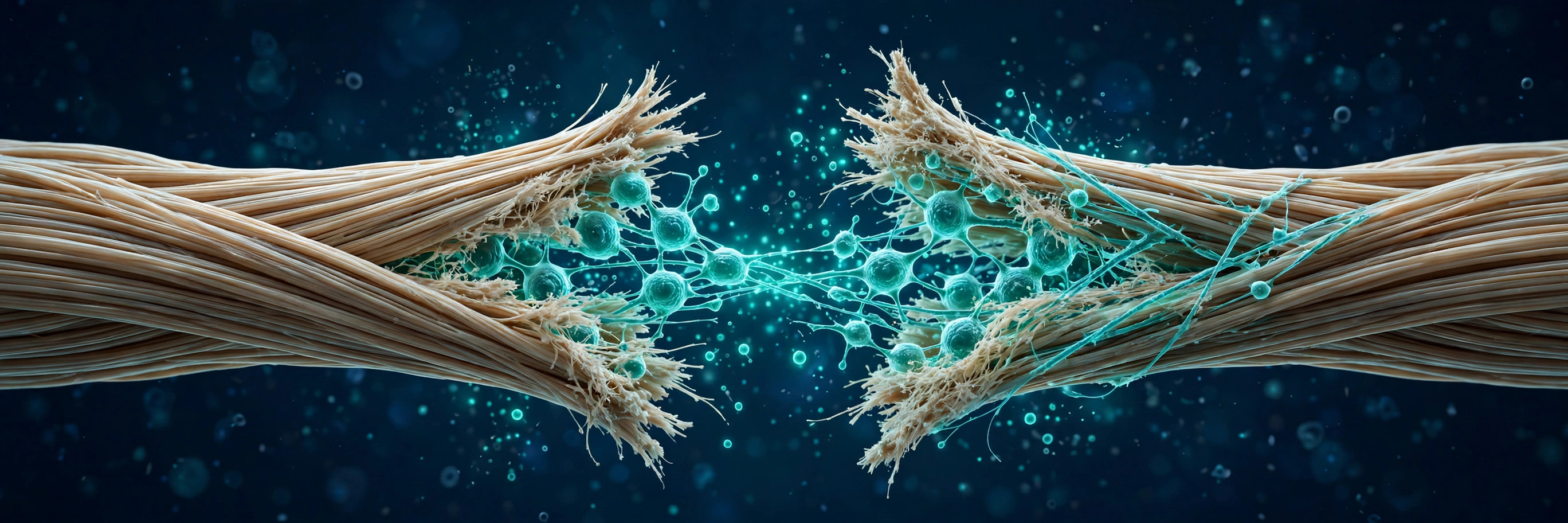
Regenerative medicine aims to restore damaged tissue rather than replace it. In our clinic that means orthobiologic products placed under image guidance, by physicians who also practice the pain and rehabilitation side of the same problem.

What we use

Six biologic options, chosen for the tissue.

Autologous or allogeneic cells, cell-derived factors, exosomes, Wharton's jelly, hyaluronic acid and PRP. They are not interchangeable — the choice follows the diagnosis.

Mesenchymal stem cell and exosome therapies are investigational and have not been approved by the U.S. Food and Drug Administration. Suitability, risks and alternatives are discussed at consultation.

EXOCUBE PRP platform

Our PRP platform

Platelet-rich plasma, built on functional precision.

Our PRP is prepared on the EXOCUBE™ set — an FDA-cleared Class 2 system combining a PRP kit with an integrated glass bead activator, filter and plasma concentrator. Instead of a single fixed spin, it works as a small laboratory in a box: the clinician selects the protocol and volume that suits the tissue being treated.

Prepared and injected in clinic on the day of treatment. Suitability and protocol are decided by the treating physician.

  • Integrated glass-bead activator, filter and plasma concentrator in one closed set
  • Industry-leading concentration of cells, growth factors, cytokines and plasma proteins
  • Multiple orthobiologic protocols and volumes from one platform
  • Low-volume (2.6 mL) and high-volume (5.8 mL) PRP protocols
  • Single-spin kits with 5–7 minute processing where a faster workflow is appropriate

Image guidance

Ultrasound and C-arm fluoroscopy, in the room.

Both modalities give real-time, high-resolution imaging. That is what allows precise injection of regenerative biologicals into spinal structures and joints — and what separates a targeted procedure from a hopeful one.

Conditions

Where we most often reach for it.

Candidacy is decided individually. Some joints need rehabilitation before a biologic will hold; some need surgery and nothing less.

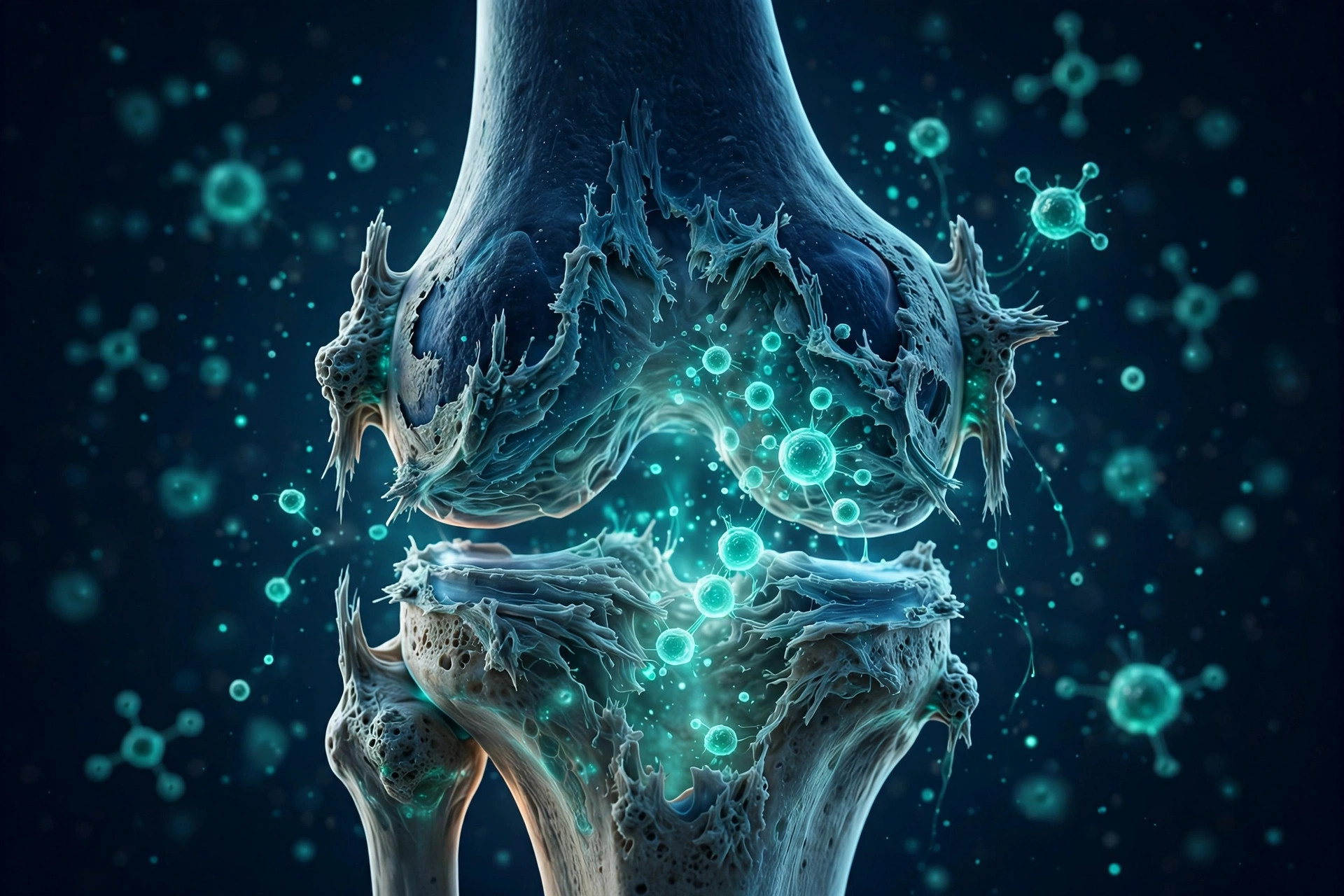
Osteoarthritis

Targets the underlying drivers of joint degeneration and cartilage breakdown — by systemic introduction or by direct treatment of the joint.

Tendon & ligament injury

Regenerative compounds are used to promote regeneration of damaged tissue, supporting the healing of partial tears and sprains.

Disc degeneration & herniated discs

Biological factors may help restore damaged spinal discs and reduce pain associated with herniation and facet arthropathy.

Sports injuries

Labral tears, tendon strains and tears, ligament sprains and tears — treated with the aim of returning to load, not just to comfort.

Hemealumen photobiomodulation device

Extracorporeal photobiomodulation

Light, delivered to the blood itself.

Hemealumen is an extracorporeal blood photobiomodulation system. A small volume of the patient's blood — typically 5% or less — is drawn into a sterile closed loop, passed in front of independently controlled light sources, and returned. Because the light reaches the blood directly instead of passing through skin, the photonic dose to the bloodstream is far higher than with surface light therapy.

Used as part of a physician-directed integrative protocol. Candidacy is assessed individually; it is not a standalone treatment for any single diagnosis.

  • Six independently controlled light sources in one polychromatic device
  • UVA and UVC for antimicrobial effect, and for absorption bands unique to NAD+/NADH
  • Red and near-infrared for mitochondrial function, ATP production and systemic circulation
  • Green and amber to reduce blood viscosity, promote vasodilation and support nitric oxide
  • Blue and violet for inflammatory and antimicrobial support

What to expect

Five steps, no surprises.

  1. 01

    Physician assessment

    History, examination and review of existing imaging. We establish what structure is generating the problem before discussing products.

  2. 02

    Imaging that answers the question

    Ultrasound in clinic, and fluoroscopy where a spinal or deep joint target demands it. If the target cannot be seen, it is not injected.

  3. 03

    Candidacy & consent

    Which biologic, at what dose, for what tissue — with the evidence, the limits and the cost stated plainly before anything is ordered.

  4. 04

    Guided procedure

    Real-time imaging guides placement into the joint, tendon or spinal structure. Most patients are in and out the same day.

  5. 05

    Follow-up & loading

    Structured review with rehabilitation and load management. Regeneration without loading rarely holds.

Orthobiologic pricing depends on the product, dose and number of targets, and is quoted in writing after assessment. Nothing is ordered before you have the number.

Next step

Request a consultation.

Tell the clinic what you are interested in and how to reach you. The team will explain availability and what to bring; this form is for scheduling, not medical advice.

Prefer to call? (214) 880-6344 · Mon – Fri, 10 a.m. – 6 p.m. · Sat by appointment

Scheduling and logistics only. No records or urgent clinical information.

Find out whether your joint is a regenerative candidate.

Bring your imaging. We will tell you what it shows, what the options are, and which of them we would choose for ourselves.